Deserto monastery from Sorrento: how do you visit a viewpoint beside a cloistered community?

A viewpoint beside a working monastery asks something different from a viewing platform built solely for visitors. At San Paolo al Deserto, above Sant’Agata sui Due Golfi, looking outward should come with an awareness of the community living nearby. The useful question is not simply whether there is a fine panorama. It is which parts are available to a visitor, how to approach them considerately and what kind of visit you actually want to make.
Separate the garden from the monastery’s private life
The Pro Loco’s dedicated monastery page describes a cloistered community and says interior access is generally unavailable, while the external gardens and viewpoints can be visited with respect for the place’s quiet. Read that distinction literally. An open entrance to an outdoor area is not an invitation to explore a corridor, follow someone through a door or seek out a private courtyard.
Before travelling, confirm the current visitor arrangements with the monastery or the local visitor office through the channels they publish. Ask specifically about the garden or viewpoint you hope to reach. “Is the monastery open?” can produce an ambiguous answer because worship, an outdoor visit and access to residential space are different matters. Describe the intended activity and date so that the response is useful.
Understand the name without imagining an empty landscape
The word Deserto belongs to the locality; it should not lead you to expect a desert environment. The Pro Loco’s religious-heritage overview places the monastery’s construction in 1679 and identifies a pine setting and panoramic outlook. Its significance is both religious and geographical. You are approaching a hill within an inhabited peninsula, not escaping into a place outside human life.
That perspective can improve the walk. Notice where cultivated land, roads, roofs and vegetation interrupt the horizon. Instead of dismissing buildings as intrusions into a perfect landscape, consider how people occupy slopes and ridgelines. A panorama becomes more interesting when it helps you understand the journeys you have already made between towns and the reason a seemingly nearby place may take time to reach.
Look at two gulfs with one clear question
The visitor authority identifies outlooks toward the gulfs of Naples and Salerno. Choose a simple question: how does the peninsula divide the two bodies of water? Start with the nearest ridge and follow its direction, then work outward. Use a map to orient yourself rather than confidently naming every distant island or summit from its silhouette. Haze can make similar profiles surprisingly easy to confuse.
Try spending a few minutes without taking a photograph. Observe the difference between nearby shadows, middle-distance settlements and the faintest horizon. You may see the structure of the landscape more clearly than its distant details. Our Sant’Agata village guide provides the broader setting; this separate stop works best when the garden and the act of looking receive their own time.
Make quiet conduct practical rather than ceremonial
Keep conversation low, avoid playing audio aloud and stand away from doors or narrow passages when consulting a phone. Follow photography instructions and avoid aiming at residential windows or identifiable members of the community without permission. These ordinary choices let a shared outdoor space remain useful to people whose day does not revolve around sightseeing.
If a service or religious activity is taking place, follow the directions given for that occasion. Attendance is not a workaround for entering otherwise private areas. A visitor interested primarily in worship should ask about that directly, while someone seeking a panorama should be equally clear. Neither purpose needs disguising, and separating them avoids disappointment or awkwardness at the entrance.
Keep the hill visit proportionate to your day
Plan the transfer from Sorrento to Sant’Agata and the final approach as separate stages. Confirm gradients, steps, resting places and the precise permitted route if these affect your party. Our mobility-planning guide helps frame those questions, while the transport guide keeps the journey home part of the plan. Do not turn the outing into a race for the last return service.
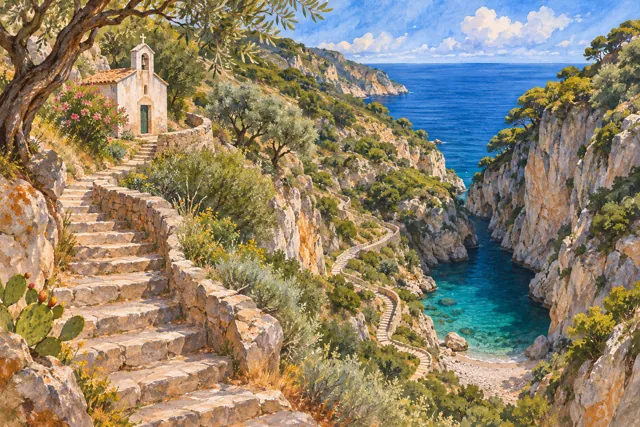
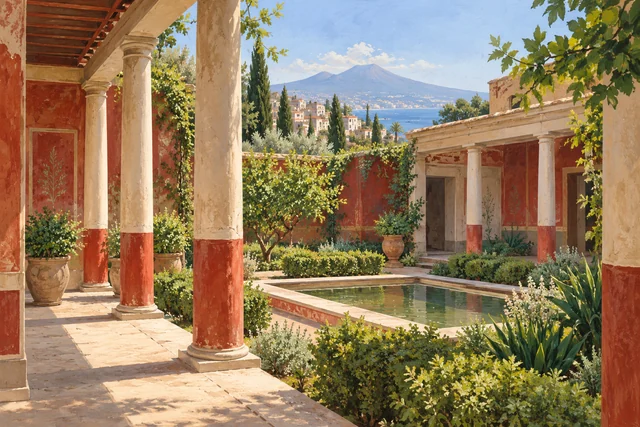
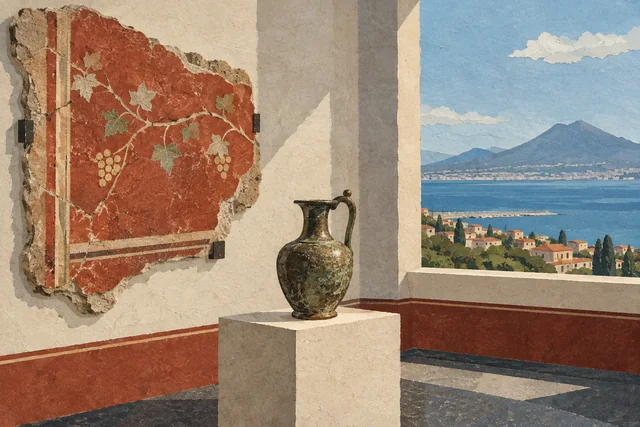
The Sorrento day-trip collection offers separately described options; confirm a named Deserto stop instead of assuming every peninsula itinerary includes it. For a contrasting former religious complex on a Naples visit, the Certosa di San Martino has a museum role and different access arrangements. Here, the artwork is an invented outdoor composition rather than documentation of monastery rooms. The most satisfying visit may be a short one: an attentive look across the peninsula, a respectful pause and a calm walk back to the village.
Sources & further reading
Turn a good read into a great day.
Find a highly rated Sorrentine experience that brings these stories to life.
Explore related experiences →