Gragnano from Sorrento: how do you choose a pasta-history visit without assuming factory access?

A pasta outing to Gragnano can add a different kind of food culture to a Sorrento stay, but the phrase “pasta visit” needs unpacking. It might mean a museum of equipment, a guided route through a working producer, a tasting, a shop visit or some combination of these. Choosing well means matching the experience you want to a named venue’s actual arrangements.
Gragnano is a separate municipality, not a neighbourhood of Sorrento. A visit booked directly with a producer does not automatically include transport from your hotel. Before comparing photographs of bronze dies and rows of drying pasta, identify the visit address, the access offered and how you will reach it. The best culinary discovery is less enjoyable when the booking turns out to be for a different activity than you imagined.
Use the protected name as a precise starting point
The Pasta di Gragnano IGP specification identifies a product made with durum-wheat semolina and local aquifer water, with bronze-die extrusion and production and packaging within Gragnano’s municipal territory. These details make a packet’s protected geographical name more specific than a general claim to be “Italian pasta”. They do not mean that all the wheat was grown in Gragnano.
In a shop, look for the actual product name and producer details rather than reading the town’s reputation into every item on the shelf. During a guided visit, ask how the die affects the pasta’s surface and how drying is controlled. Those questions connect an everyday food to decisions about material and process. They do not require claims that one texture, shape or production method is universally superior.
A museum and a production visit answer different questions
La Fabbrica della Pasta’s museum page describes a collection of more than 500 objects, including older equipment associated with pasta making. Its request form separately asks whether a production visit is wanted, and says the email response validates the reservation. That is a useful practical lesson: submitting an enquiry is not the same thing as receiving a confirmed visit.
A museum can help you understand tools, labour and changes in manufacturing without putting you on an operating production line. A factory visit can explain present practice, but what you see depends on the agreed route and what is running. Ask which of these your confirmation includes. If tasting matters to you, ask about that too, rather than assuming food follows every display of food-making equipment.
Check whether a producer accepts your party size
Afeltra’s ordinary guided-visit information currently describes a roughly 45-minute factory visit on weekday mornings and specifies a minimum of 20 participants, with no individual visits under that arrangement. It also describes a tasting option. These are the producer’s stated conditions, not a general rule for every business in Gragnano.
For two people travelling independently, a page like this is a reason to enquire about a suitable advertised format elsewhere or a specifically scheduled opening. It is not a reason to book a transfer and hope to join a group on arrival. Equally, if you are arranging a larger party, check the actual date, language, payment terms and included activities in the written confirmation.
Exceptional openings are not a weekly timetable
The consortium announced special factory openings for World Pasta Day on Sunday, 25 October 2026, with booking links for participating producers. That announcement illustrates how a specific public event can differ from ordinary visiting rules. It does not establish that those factories admit casual visitors every Sunday or that places remain available today.
If you are reading after that date, use it as an example of the sort of event to look for in a new official announcement. For any future opening, verify the edition, times and reservation conditions afresh. Do not carry a past event’s arrangements forward simply because its page is still searchable.
Build the journey around the confirmed visit
Use the producer’s visitor entrance and address, which may differ from a company’s registered office. Check the whole journey from Sorrento, including any final local connection or prearranged transfer, then allow a sensible arrival margin. Our Sorrento transport planning guide is a useful starting point for that approach. Avoid attaching a complicated factory appointment to an already tightly timed departure day.
Ask about walking distances, stairs, footwear and accessibility on the actual visitor route. Food preferences or allergies should be raised directly if a tasting is included; a general menu description is not confirmation of a suitable meal. These are ordinary booking details, not barriers to enjoying the experience.
Decide which kind of food learning you want
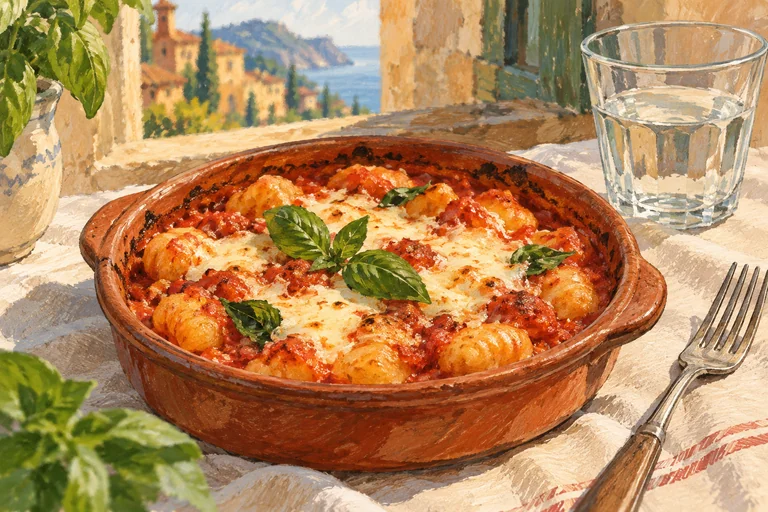
If your main interest is making something with your own hands, compare this outing with a Sorrento cooking class or food tour. Watching production, reading historical objects and cooking a dish are different pleasures. Our guide to gnocchi alla sorrentina provides another way to follow technique from ingredients to a finished plate.
For a wider Italian comparison, learning fresh pasta by hand in Bologna introduces a different tradition from Gragnano’s dry pasta. If you prefer an organised option closer to your base, browse Sorrento dining experiences and verify the real departure and inclusions. Gragnano is worth considering on its own terms: choose the evidence and activity that interest you, then book the visit that actually offers them.
Sources & further reading
Turn a good read into a great day.
Find a highly rated Sorrentine experience that brings these stories to life.
Explore related experiences →