Cooking class or food tour: which Sorrento experience suits you?
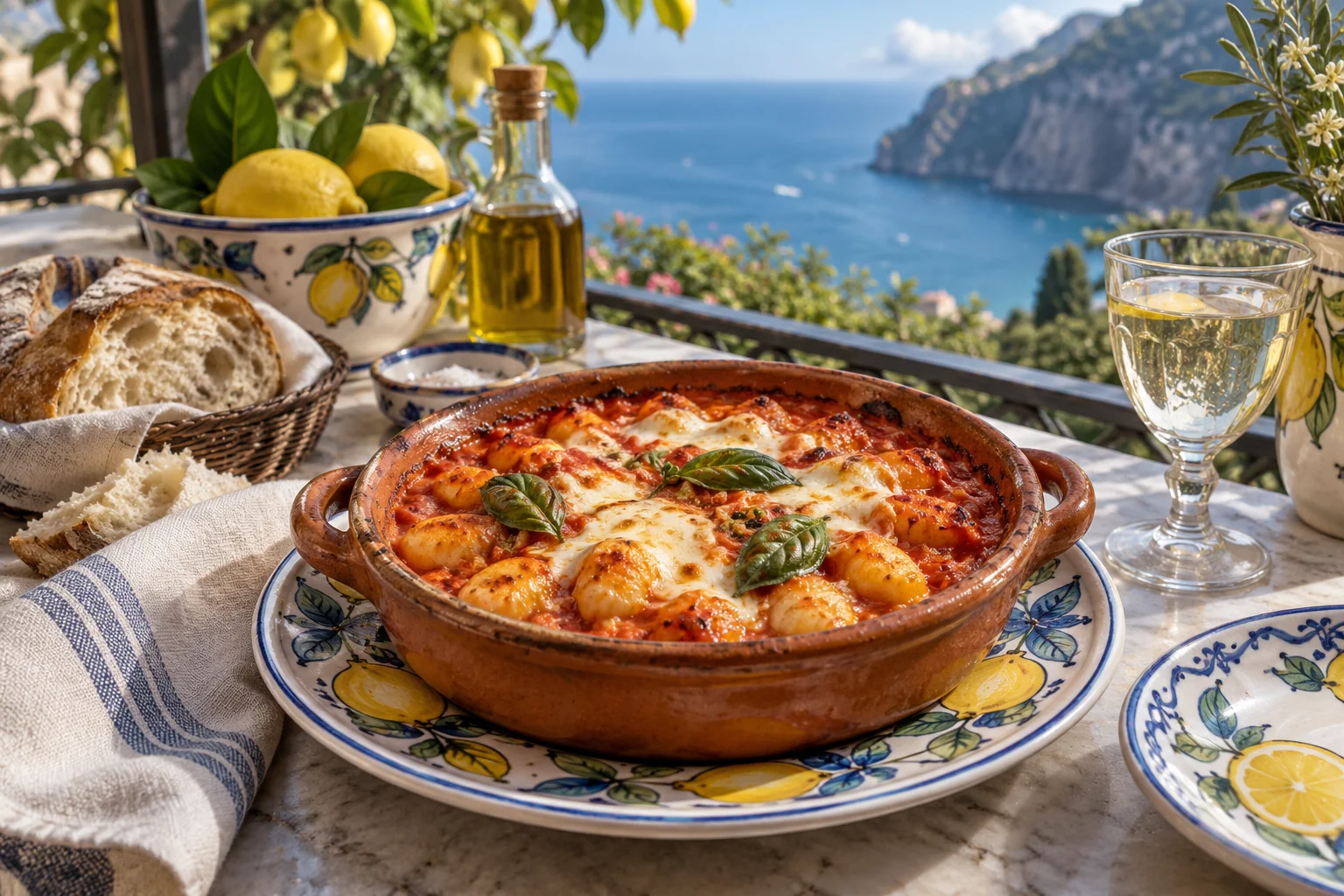
Two experiences can promise the flavors of Sorrento while delivering very different afternoons. One may keep you at a kitchen bench shaping dough; another may take you through several streets and tasting stops; a third may introduce a working farm outside the center. Choosing well starts with the format, not the photograph of pasta. Think about how you want to spend your time, who is traveling with you and what you hope to understand by the end.
Choose a class when making is the attraction
A hands-on class can turn an ingredient list into something memorable. You feel a dough change, see how a filling is portioned or learn why a sauce needs a particular consistency. But “cooking class” does not describe a single level of participation. Some sessions give every guest a task; others include substantial demonstration. Read the itinerary and ask what each participant actually makes.
Group size also changes the experience. A small group may allow more questions, while a larger session can have a lively social atmosphere. Neither automatically guarantees better teaching. Consider the language used, the number of dishes, the time spent cooking and whether recipes are provided afterward. Our current dining listings let you compare the operator’s description with ratings and recent traveler feedback before checking a date.
Choose a food walk when the town is part of the meal
A walking format connects taste with place. You move between stops, see different streets and hear how particular foods fit into local habits. That can be especially useful early in a stay, when you are still learning the center. The tradeoff is that you may spend part of the experience standing outdoors, navigating crowds or walking over uneven surfaces between tastings.
Check the distance, pace and number of seated stops if those details matter to your group. A tour that sounds short can still involve prolonged standing. Ask whether the route changes in bad weather and whether the finishing point is near the start. You can combine the experience with the observations in our old-town walking guide, allowing the streets to contribute as much as the food.
Choose a farm visit when ingredients interest you
A farm or producer experience can show the landscape behind a product. You might learn about cultivation, taste different oils or hear how a family business organizes its work. Check the exact program rather than assuming every agricultural visit includes harvesting, a full meal or access to all production areas. Seasonal work and the nature of the property influence what can reasonably be shown.
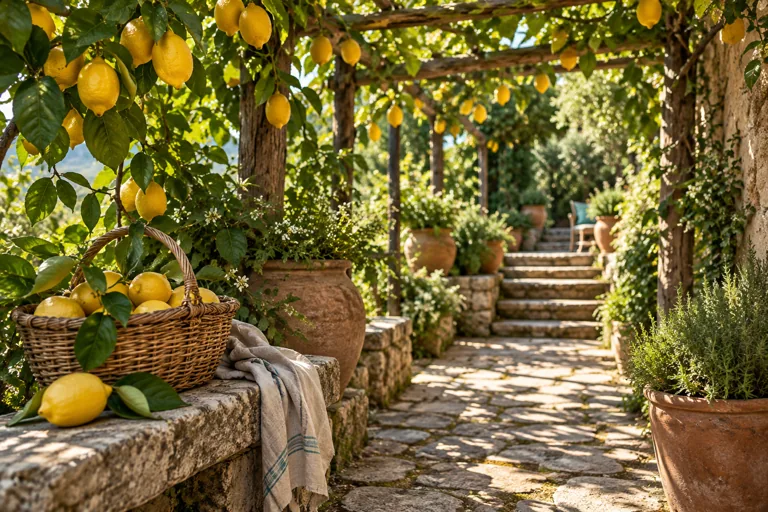
Location is particularly important here. “Sorrento” may refer to a peninsula pickup area, while the visit itself takes place in the hills or a neighboring town. Confirm the meeting point, pickup coverage and return arrangements. Our lemon article offers useful questions for a citrus experience, including how to distinguish a protected product name from decorative marketing language.
Put dietary requirements before payment
Send specific questions about allergies, vegetarian or vegan options, alcohol, and cross-contact concerns before booking. A sentence saying that an operator can “accommodate preferences” may not answer your particular need. Ask which dishes or samples would change and whether the experience still offers meaningful participation. The operator is the right source for that information; a review from another traveler cannot confirm today’s kitchen arrangements.
For children, check minimum ages, equipment, supervision and the amount of standing or waiting involved. A pizza class may sound universally suitable, but the actual setup determines whether it fits your family. Similarly, an adult who dislikes group participation may prefer a tasting or a restaurant meal. Choosing honestly for the people attending is more useful than selecting the activity that appears most popular.
Compare the whole afternoon, not just the ticket
Add together activity time, travel, check-in and any meal included. A more expensive class might replace dinner, while a shorter tasting may leave you wanting a separate lunch. Transport included in one listing may be an extra responsibility in another. Prices are easier to compare once you understand those differences, and the lowest headline amount is not always the best fit for your day.
Check cancellation terms and the selected date on the final booking page. Keep some time afterward to talk about what you learned, note a technique or return to a place that caught your attention. A food experience should make you more curious about Sorrento, not simply more full. Whether you leave with flour on your hands, a new favorite taste or a better understanding of a grower’s work, the right format is the one that makes that curiosity easy.
Sources & further reading
Turn a good read into a great day.
Find a highly rated Sorrentine experience that brings these stories to life.
Explore related experiences →