Is the Museo Correale worth a visit during a Sorrento stay?
The Museo Correale offers a useful change of scale during a Sorrento stay. After broad sea views and busy lanes, you can spend time with objects, painted landscapes, decorative surfaces and the character of a historic residence. It is especially appealing if you enjoy looking closely or want a cultural visit that is not simply another major archaeological excursion. The best approach is to choose a few collection themes and allow the building and garden to form part of the experience.
Understand what kind of museum this is
The museum grew from the Correale family’s collections and opened to the public in 1924. Its official collection information includes painting, porcelain, inlaid wood and other decorative arts, alongside archaeological material. That range makes it different from a gallery devoted to one artist or one medium. You are encountering both individual works and a history of collecting, taste and display.
The palace’s own history is part of that story. The museum describes recent work on spaces containing Roman-era remains beneath the residence, showing how one location can hold several periods at once. You do not need to absorb every date to enjoy the visit. Begin by asking what the building contributes to the objects inside it, and how the objects change the way you read the rooms.
Choose two or three threads
A focused visit might compare a painted landscape with the real view outside, examine the surface of an inlaid object, and spend time with a small group of porcelain pieces. Those choices give you a route through different materials without demanding equal attention from every room. Read labels selectively and return to the object after reading; the text is most useful when it helps you see something you had missed.
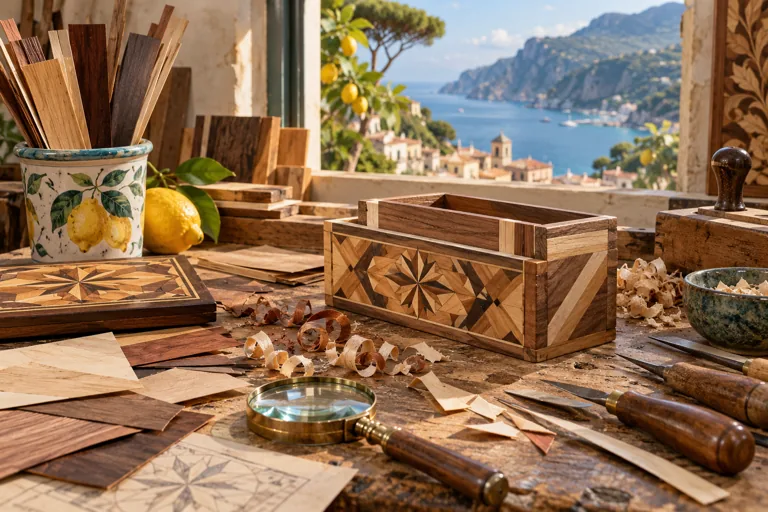
For porcelain, notice shape, decoration and the relationship between practical use and display. For furniture or inlay, look at how pattern follows or interrupts the form. You can prepare with our introduction to Sorrentine wood inlay. A little vocabulary helps, but you do not need to identify a manufacturer unaided to appreciate the decisions visible in a finished piece.
Use the garden as part of the visit
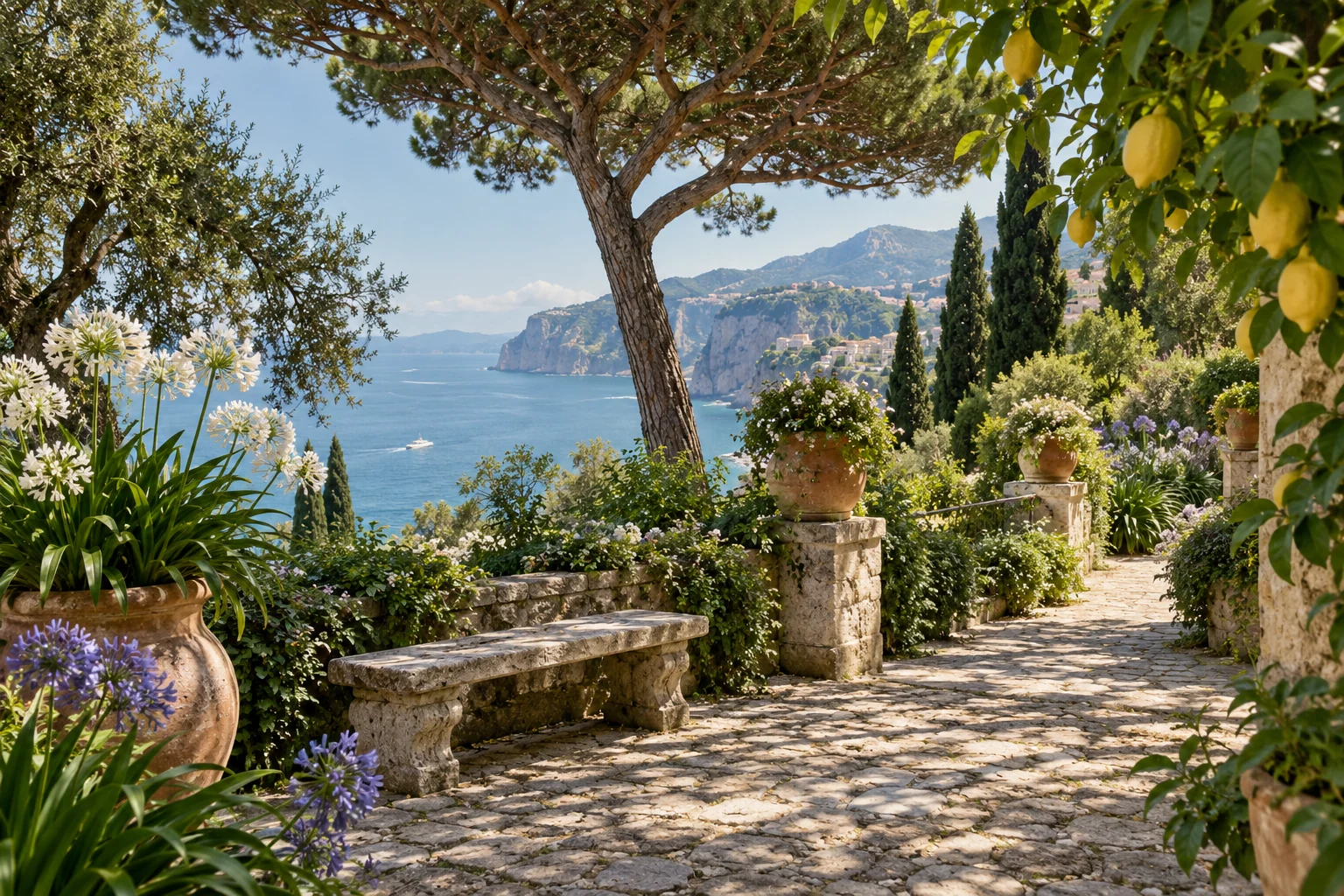
The museum describes a garden route leading toward a belvedere over the Gulf of Naples. Treat that as a continuation of the visit rather than merely an exit. A residence, its collections and its outlook can reveal how place and taste reinforce one another. Check which areas are open when you arrive, especially if weather or maintenance affects outdoor access.
Leave time to pause rather than hurrying straight to the view. A museum visit can alternate concentrated looking with a quieter interval, which often improves attention when you return indoors. Our first-day Sorrento plan uses this same rhythm on a town scale: one meaningful activity, then space to let it settle. A good cultural afternoon need not feel like an endurance event.
Check practical arrangements at the source
Use the museum’s current visitor information for opening days, seasonal arrangements, tickets and exhibitions. Do not assume that an old schedule remains valid, or that every floor and outdoor area has identical access. If stairs, lift provision or seating matter to your group, ask specifically before visiting. The answer you need concerns the route you hope to take, not a general impression of the building.
A rainy day may make the museum especially attractive, but it should not be treated as an unlimited fallback capacity. Check that it is open and allow for the journey there. Our rainy-day guide pairs cultural possibilities with realistic planning. You will enjoy the collection more if you arrive because it interests you, rather than solely because you need somewhere to stand out of the weather.
Let one object become the memory
Before leaving, choose a work or object you would like to remember. Write down its title or maker from the label, then describe what caught your attention in your own words. Perhaps it was a surprising color combination, a painted treatment of light or an almost invisible join in wood. That small act can turn a pleasant visit into a lasting reference point for later travel.
If your route includes Milan, the city’s art and design guide offers another way to think about objects and the choices behind them. The scale and history differ, but careful looking travels well. The Correale is worth considering precisely because it adds another register to a coastal holiday: the pleasure of a room, an object and a view understood a little more fully.
Sources & further reading
Turn a good read into a great day.
Find a highly rated Sorrentine experience that brings these stories to life.
Explore related experiences →