Sorrento peninsula olive mills: what should you ask before a visit?

An olive-mill visit can add a useful working-landscape chapter to a Sorrento stay. It brings attention to cultivation, processing and flavor, rather than only the bottle that eventually reaches a table. The most satisfying experience begins with a few clear questions, because a tasting room, an orchard walk and a demonstration of milling are not automatically the same activity.
Start by deciding what you want to understand. Are you interested in the machinery, the growing landscape or learning to compare oils? Our introduction to cooking classes and food tours offers a similar way of matching an experience to your curiosity. A good description should tell you what you will actually do, not merely surround the visit with attractive food language.
Know what the regional name means
The Campania regional authority’s account explains that Penisola Sorrentina DOP olive oil comes from a defined production and processing area that includes peninsula communities, the Monti Lattari and Capri. The protected name therefore refers to a specified regional product, not simply any bottle sold in a Sorrento shop.
Ask a host which oil you will taste and whether it carries that designation. There is no need to turn the question into a judgment on every other oil. The useful distinction is between a documented origin claim and a general geographical impression. Read the actual bottle or product information rather than assuming that a terrace view, Italian flag or traditional-looking label establishes where the olives were grown.
Ask whether you will see milling in operation
A visit may include an explanation of a mill even when olives are not being processed at that moment. Before reserving, ask whether the machinery will be running, whether any demonstration is planned and how seasonal conditions affect the programme. Do not infer a live production session from a photograph of a previous harvest or from the word “mill” in the title.
If seeing a particular stage matters to you, ask the question directly and keep the answer with your booking details. An honest explanation of seasonal limits helps you choose. A thoughtful tasting with a clear account of production can still be worthwhile, but it should be booked for what it offers on your date rather than for an activity you have imagined.
Connect the bottle with the landscape
The regional description highlights the terraced setting of local olive cultivation and the use of mechanical and physical extraction processes within the production rules. These are useful starting points for questions on site: where do the olives come from, how are they brought to the mill, and which parts of the process can visitors safely observe?
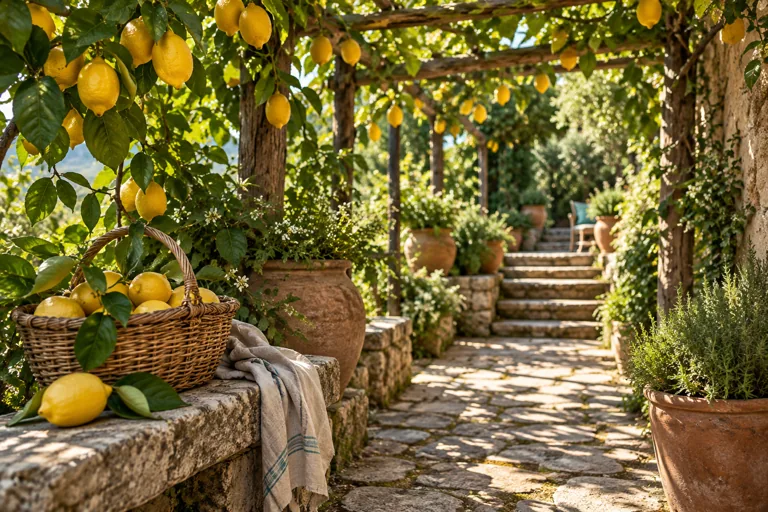
For a broader view of the peninsula’s cultivated identity, our article on Sorrento lemons follows another regional crop. Keep the two stories distinct. Shared scenery does not mean identical growing methods, harvest schedules or product designations. The rewarding comparison is how different crops shape the work and appearance of the same wider landscape.
Taste with questions rather than a performance
If the experience includes a guided tasting, listen to the host’s method and ask which characteristics you are comparing. You do not have to produce an impressive list of aromas. Begin with a simple description of what changes between samples, then ask for help naming it. Record the producer and oil so that your impressions remain connected to the sample you actually tried.
The region’s production specification provides the formal framework for the protected product. A visitor’s tasting, however, is not a substitute for certification or laboratory analysis. Avoid treating color alone as a quality verdict. Let the visit teach you what questions to ask, rather than promising that one short session turns anyone into an expert.
Make the practical details part of the decision
Confirm the full location, pickup arrangements, language, duration and whether the price covers tastings, food or purchases. Ask about steps, uneven ground and seating if those affect your group. If the visit includes food alongside the oil, explain dietary needs beforehand and request a clear answer about ingredients. An orchard setting or working building can have very different access conditions from a town-center shop.
Browse Sorrento dining experiences and use our guide to food beyond the lemon souvenir to plan the rest of the day. For a regional contrast, Naples’ tasting-walk guide considers a more urban food experience. Leave a mill visit enough time for questions; understanding one everyday ingredient is a fine reason to slow down.
Sources & further reading
Turn a good read into a great day.
Find a highly rated Sorrentine experience that brings these stories to life.
Explore related experiences →