What makes Sorrento’s lemons different?
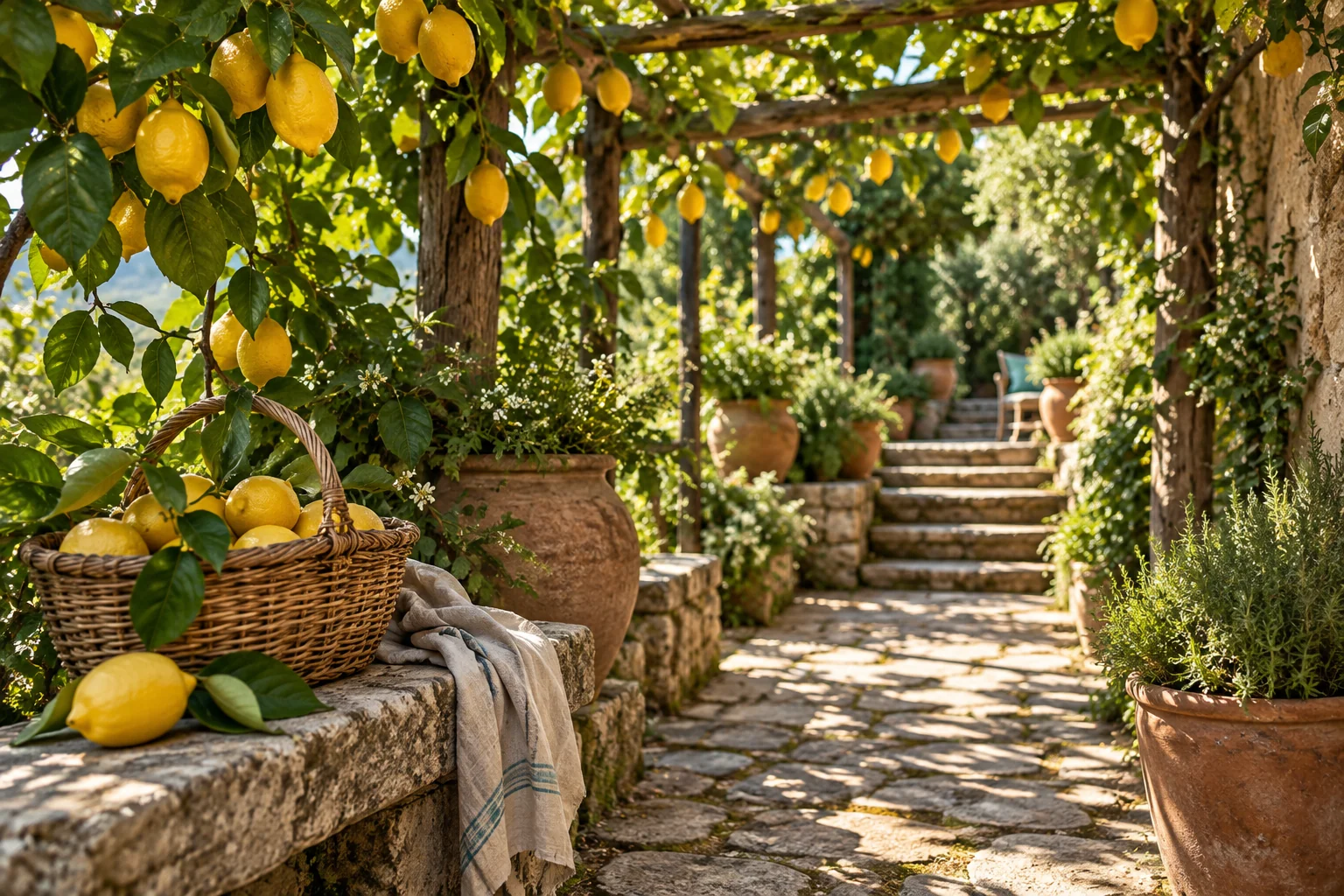
Lemons are everywhere in Sorrento’s visual vocabulary: piled in shops, painted on ceramics, hanging above garden paths and appearing in desserts. That abundance can make them seem like a decorative theme. A closer look reveals an agricultural product with a defined identity, a cultivated landscape and considerable human work behind it. Understanding a little of that story makes a grove visit or tasting more rewarding than simply finding the biggest fruit in the display.
Begin with the name on the label
The Campania region’s account identifies Limone di Sorrento IGP with the Massese cultivar, also known as Ovale di Sorrento. It describes an elliptical fruit and an aromatic peel rich in essential oils. The protected geographical indication concerns a defined product and production area; it is more specific than a lemon-flavored item sold in a Sorrento shop. Look for the actual wording rather than assuming every souvenir carries the same provenance.
That does not mean a product without the designation cannot taste good. It means you should compare like with like. Ask what lemons were used, where they were grown and whether the producer can explain the label. A good conversation often teaches more than a dramatic origin story. Our food and farm experiences include opportunities to connect ingredients with the people who handle them.
See the grove as a working landscape
Traditional protective structures, terraces and supports are part of the agricultural setting. They are not merely stage dressing for visitors. The region describes the use of coverings known as pagliarelle to protect trees, particularly from cold and wind. When you enter a grove, notice how the planting and the structure shape light and access. Ask the host what work happens in different seasons instead of assuming fruit is harvested whenever a visitor arrives.
Stay on the route you are shown, and do not pick leaves or fruit without permission. A tree can look abundant while still being someone’s livelihood. If a tour includes tasting rather than harvesting, enjoy that distinction rather than expecting an activity the operator never promised. Sensible footwear matters on farm paths, and pickup arrangements deserve checking when a property is outside central Sorrento.
Separate fragrance, acidity and sweetness
A lemon tasting becomes more interesting when you pay attention to different sensations. Peel aroma, juice acidity and the sweetness of a prepared drink are not the same quality. A sweet liqueur can foreground fragrance while changing the experience of the fruit considerably. Ask whether you are tasting fresh juice, a syrup, a dessert or an alcoholic infusion, and compare each on its own terms.
You do not need to drink alcohol to take an interest in the crop. Ask in advance whether a tasting can include suitable alternatives, particularly when traveling with children or anyone avoiding alcohol. Do not assume substitutions will be available simply because the main product is fruit. Our guide to choosing a food experience explains how to compare the actual format and inclusions before booking.
Look beyond the bottle
Lemon can appear as zest, a finishing aroma, a sorbet or a component of a pastry. Rather than ordering every lemon-flavored item in one meal, choose a dish where you can notice its role. Does it brighten something rich, add fragrance to a cream, or provide the main flavor? Those questions help you remember the food without needing to become a technical taster.
Bring the same curiosity to labels if you plan to take something home. Check ingredients, bottle size, alcohol content where relevant and the transport restrictions for your journey. A large bottle is not automatically a better souvenir than a smaller product you genuinely enjoyed. Our introduction to eating in Sorrento places citrus alongside other local pleasures, so the lemon does not have to carry the entire menu.
Let the experience change what you notice
After a thoughtful grove visit, the landscape looks different. You may notice a support frame, a terrace wall or the practical positioning of a path rather than only the color of the fruit. That is the value of learning a little context: a familiar image becomes a set of decisions made by growers over time. The region and the protection consortium are useful starting points for checking product claims rather than relying on sales language alone.
Keep expectations seasonal and specific. A farm tour may combine several products, and its value can lie in the explanation and hospitality as much as in the number of samples. Choose the experience that answers your questions, allow time for the journey there, and leave space for lunch afterward if a full meal is not included. Sorrento’s lemons are a delicious introduction to the peninsula, especially when you give the people and practices behind them equal attention.
Sources & further reading
Turn a good read into a great day.
Find a highly rated Sorrentine experience that brings these stories to life.
Explore related experiences →